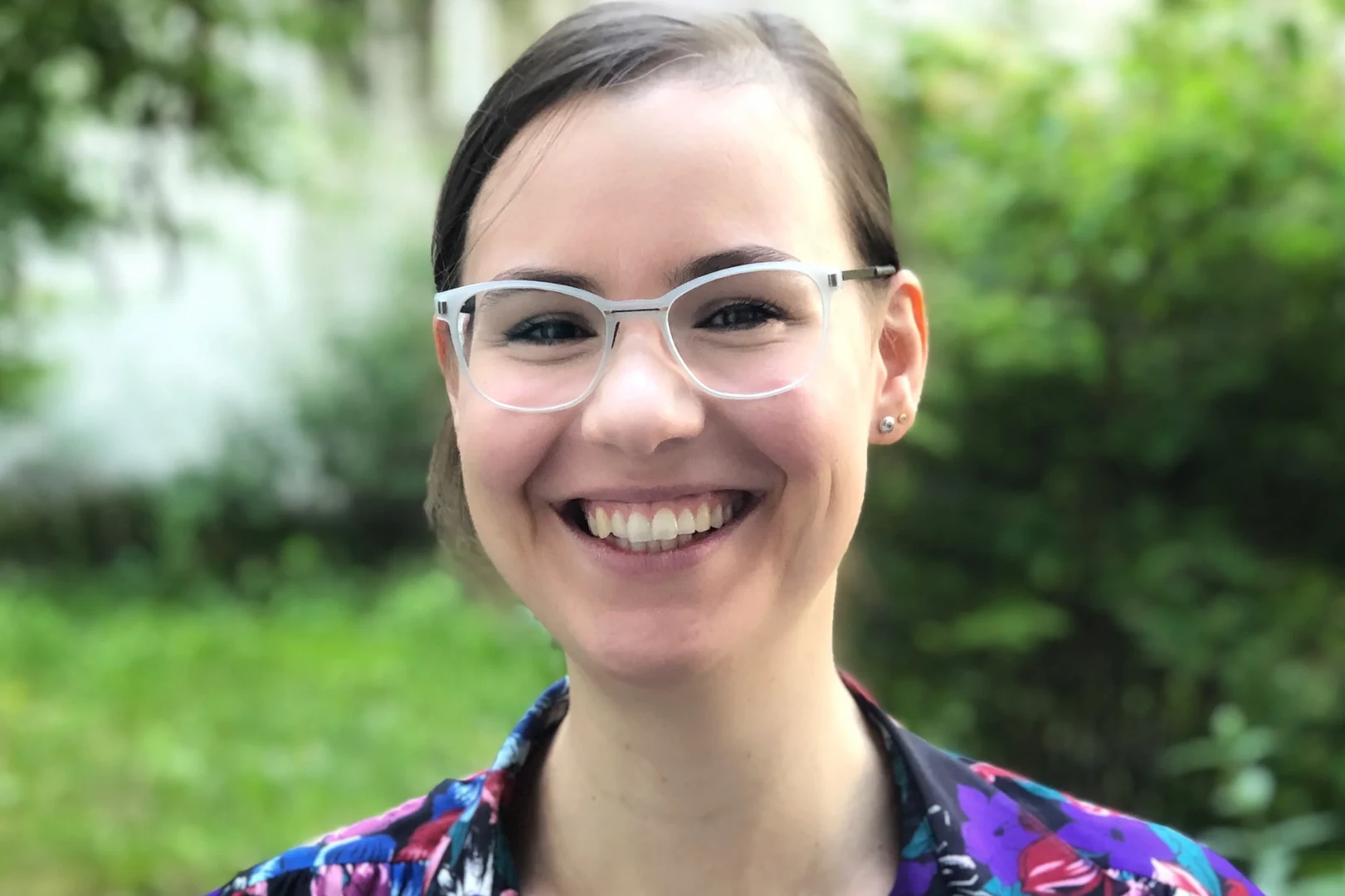
Ms. Boelmann, when you analyzed the historical suffragette movement in Germany, what
surprised you most?
Barbara Boelmann: I was particularly struck by an apparent contradiction: While the
conditions for the suffragette movement were extremely difficult during wartime, those
very circumstances led women to assume important leadership roles. To provide some
context: During the First World War, political activism was considered unpatriotic and many
suffragette clubs closed as a result. However, organizations such as the National Women’s
Service (Nationaler Frauendienst) played a crucial role in organizing war relief efforts. Here,
women quickly assumed responsibility, even at the ministerial level.
While the state denied women the right to vote, it needed their organizational skills. Women who gained leadership experience by organizing war relief went on to campaign more often for the right to vote. This is one of our central findings. The analysis shows: In regions where more men were drafted, suffragette clubs remained open more frequently.
This is particularly evident in areas where women organized war relief efforts.
What can women learn from your findings today?
Barbara Boelmann: Leadership experience is needed to help people surpass their own
limits. To gain initial experience, women need more confidence in their abilities and a
benefit of the doubt from others. Organizing war relief efforts is a good example. The
activist Marie-Elisabeth Lüders noted: “This national responsibility (...) not only gave us the
will, but also the strength to take on work and decisions that for most women were far
removed from their previous life and work paths.”
Which obstacles from back then still need to be overcome today?
Barbara Boelmann: Social norms are hard to change. Compared to men, women in
leadership positions are judged by different standards. For example, Ursula von der Leyen,
the President of the European Commission, was asked to explain how she balances a
political career with caring for seven children. Such questions were not asked of her male
colleagues. As long as these different standards apply, it will be more difficult for women to
reach leadership positions.
How can policymakers help women?
Barbara Boelmann: Our study suggests that they should aim to give women responsibility
early on – to encourage their desire for greater involvement. This means making women
visible in expert panels, commissions, and public offices, ensuring better representation of
women in leadership positions within their own parties, and using quotas where necessary
to get women into positions of responsibility.
What advice would female politicians from the Weimar era give to women today?
Barbara Boelmann: The politician Marie-Elisabeth Lüders describes how, in the course of
the First World War, reservations about women in leadership positions faded: “The debates
– once so frequent and often quite heated – about women’s suitability and right to hold
positions of responsibility, including in public administration, fell silent.” Today, this
means: Prejudices are best overcome through experience, as this strengthens confidence
in one’s own abilities and recognition within society.